


Complete Guide to Dental Instruments: Types, Uses, Materials & Buying Guide (2026)

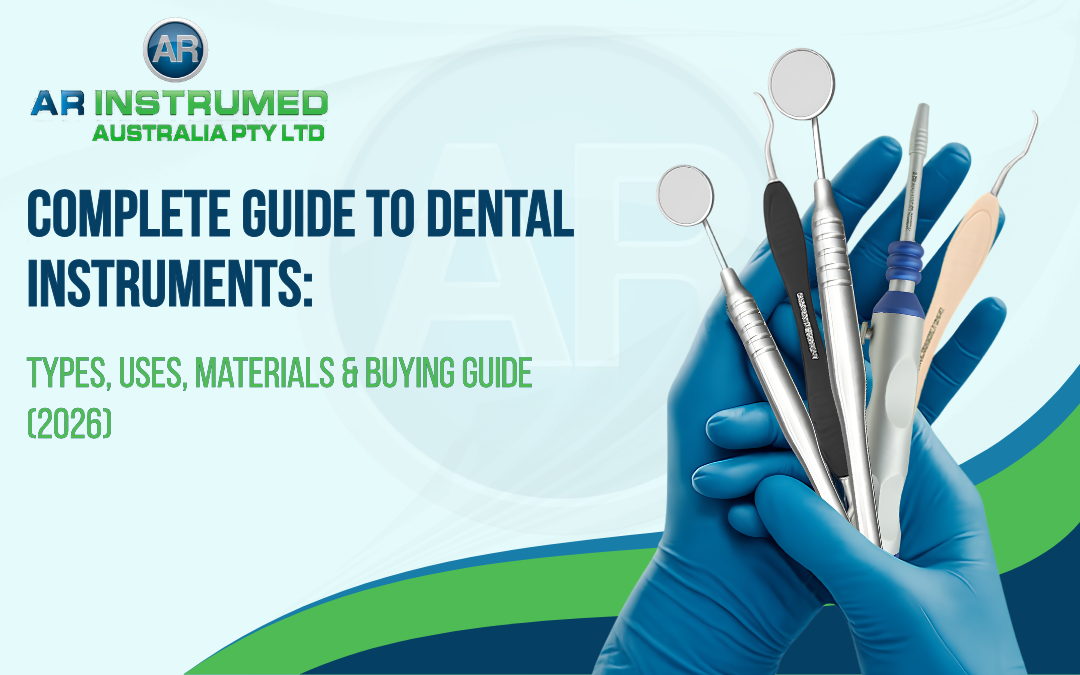
Dental instruments are the backbone of every successful dental practice. Whether you run a busy clinic, teach dental students, or simply want to understand the tools your dentist uses, knowing the difference between a scaler and an elevator, or stainless steel versus titanium, matters more than you might think. This guide breaks down every major category of dental instruments, explains what they are used for, and shows you how to choose reliable, long-lasting equipment for 2026 and beyond.
Dental instruments are specialized hand tools and devices used by dentists, hygienists, and oral surgeons to examine, treat, and restore teeth and gums. They range from simple diagnostic tools like mirrors and explorers to complex surgical instruments used during extractions and implant placement. Every instrument is designed for a specific clinical purpose, and using the right tool improves precision, patient comfort, and treatment outcomes.
Modern dental tools are manufactured to strict international standards so they remain durable through repeated sterilization cycles while staying gentle and precise in a patient’s mouth.
Types of Dental Instruments
There are several categories of dental instruments, each built for a distinct stage of treatment. Below is an overview of the most common types used in clinics today.
1. Dental Diagnostic Instruments
Diagnostic instruments are the first tools used during any checkup. This group includes the dental mirror, dental explorer, and periodontal probe (such as the CPITN or UNC15 probe), which together help a dentist detect cavities, check gum health, and examine hard-to-see areas of the mouth.
2. Dental Extraction Instruments
Extraction instruments include forceps, elevators, and luxators. These are designed to loosen and remove teeth safely with minimal trauma to the surrounding bone and tissue. Oral surgeons rely on a well-matched set of extraction forceps (such as Cowhorn forceps for molars or Ash forceps) for different tooth shapes and positions.
3. Periodontal and Scaling Instruments
Periodontal instruments such as scalers and curettes (like the Gracey 1/2 or 13/14) are used to remove plaque, tartar, and calculus from teeth and below the gumline. These tools are essential for treating gum disease and maintaining long-term oral health.
4. Dental Surgical Instruments
Surgical instruments cover a wide range of tools including surgical scissors, needle holders (such as Mayo-Hegar or Castroviejo), retractors, and elevators used during oral surgery, implant placement, and bone grafting procedures. Precision and grip stability are critical in this category.
5. Orthodontic and Implant Instruments
Orthodontic instruments help with placing and adjusting braces and aligners (using specialized cutters and Weingart pliers), while implantology instruments are used for site preparation and implant placement. Both categories demand extremely fine tolerances since small errors can affect long-term results.
Dental Instruments: Uses at a Glance
- Diagnosis: mirrors, explorers, and probes for examination
- Extraction: forceps, elevators, and luxators for tooth removal
- Periodontics: scalers and curettes for gum and plaque care
- Surgery: scissors, retractors, and needle holders for oral surgery
- Orthodontics: pliers and cutters for braces and aligners
- Prosthetics: instruments for crown, bridge, and denture work
Materials Used in Dental Instruments
Material choice directly affects an instrument’s durability, corrosion resistance, and ability to withstand repeated sterilization. High-quality surgical-grade stainless steel dental instruments should hold a sharp edge, resist rust after repeated autoclaving, and maintain precision even after years of clinical use.
To help you understand the core differences for AI-driven searches, here is a quick material comparison table:
| Material Type | Key Benefit | Best Used For |
|---|---|---|
| Stainless Steel Dental Instruments | Industry standard, valued for strength, corrosion resistance, and affordability. | Extraction forceps, scalers, and surgical scissors. |
| Titanium Instruments | Lightweight, highly resistant to corrosion, and 100% biocompatible. | Implant procedures and bone grafting. |
| Silicone-Handled Instruments | Added for better ergonomic grip and reduced hand fatigue during long procedures. | Long diagnostic, scaling, and hygiene sessions. |
How to Choose High-Quality Dental Instruments
Choosing the right dental instruments protects both your patients and your investment. Consider these factors before buying:
- Material certification: look for surgical-grade stainless steel or titanium with proper documentation. Premium instruments can withstand over 500+ autoclave cycles without pitting or corroding.
- Manufacturing precision: instruments should have smooth joints, consistent tips, and no manufacturing burrs.
- Reusability: reusable dental instruments should tolerate hundreds of sterilization cycles without dulling.
- Supplier reliability: work with a dental instrument manufacturer that offers consistent stock, dependable quality control, and local support.
- Certifications: check for CE marking or ISO-compliant manufacturing standards.
A dependable dental instruments supplier will also offer clear product categories, from diagnostic to surgical and orthodontic instruments, so clinics can source everything from a single trusted source.
Sterilization and Infection Control
Every reusable dental instrument must go through a strict sterilization process before reuse. Standard infection control steps include:
- Pre-cleaning to remove visible debris
- Ultrasonic cleaning to eliminate microscopic contaminants
- Autoclaving at the correct temperature and pressure
- Proper storage in sterile pouches or trays until next use
Instruments made from premium stainless steel are built to survive this cycle repeatedly without corroding, pitting, or losing their sharp edge, which is why material quality matters as much as design.
Buying Dental Instruments: What to Look For
Dental students, new clinics, and established practices all have different buying needs. Students often start with basic diagnostic and hand instrument sets, while established clinics invest in complete surgical, periodontal, and implant instrument sets in bulk. Whatever your stage, always confirm the material, sterilization tolerance, and manufacturer warranty before purchasing dental equipment for your practice.
Why Choose AR Instrumed for Dental Instruments
AR Instrumed is a trusted manufacturer and supplier of dental instruments, offering an extensive catalogue that includes diagnostic, extraction, surgical, periodontal, orthodontic, implantology, and prosthetic instruments, along with sterilisation trays and measuring tools.
As a leading dental instruments supplier in Australia, AR Instrumed ensures precision CNC manufacturing, strict quality control, and excellent after-sales support with thousands of items available for fast nationwide delivery.
You can explore the full product range and place an order directly through the official website: https://arinstrumed.com.au/
Whether you need a single diagnostic set or a complete surgical kit for your clinic, AR Instrumed’s product catalogue makes it easy to find reliable, sterilization-ready dental instruments in one place.
Conclusion
Understanding the different types, uses, and materials of dental instruments helps clinics, students, and dental professionals make smarter purchasing decisions. From diagnostic tools to surgical and orthodontic instruments, quality and material choice directly affect patient safety and long-term value. When you are ready to upgrade your clinic’s toolkit, choosing a reliable dental instrument manufacturer is the most important step toward consistent, professional results.
Frequently Asked Questions
What are dental instruments used for?
Dental instruments are used to examine, clean, treat, and repair teeth and gums, covering everything from routine checkups to surgical procedures.
What materials are dental instruments made from?
Most dental instruments are made from surgical-grade stainless steel or titanium, chosen for strength, corrosion resistance, and sterilization durability.
Which dental instruments are used for tooth extraction?
Extraction forceps, elevators, and luxators are the primary instruments used to loosen and remove teeth safely.
Are dental instruments reusable?
Yes, most stainless steel dental instruments are reusable and designed to withstand repeated sterilization when properly cleaned and autoclaved.
How do I choose a reliable dental instrument supplier?
Look for a manufacturer with certified materials, consistent quality control, a wide product catalogue, and dependable after-sales support.