


Stainless Steel vs Titanium Dental Instruments: Which Material Is Best for Australian Dentists?

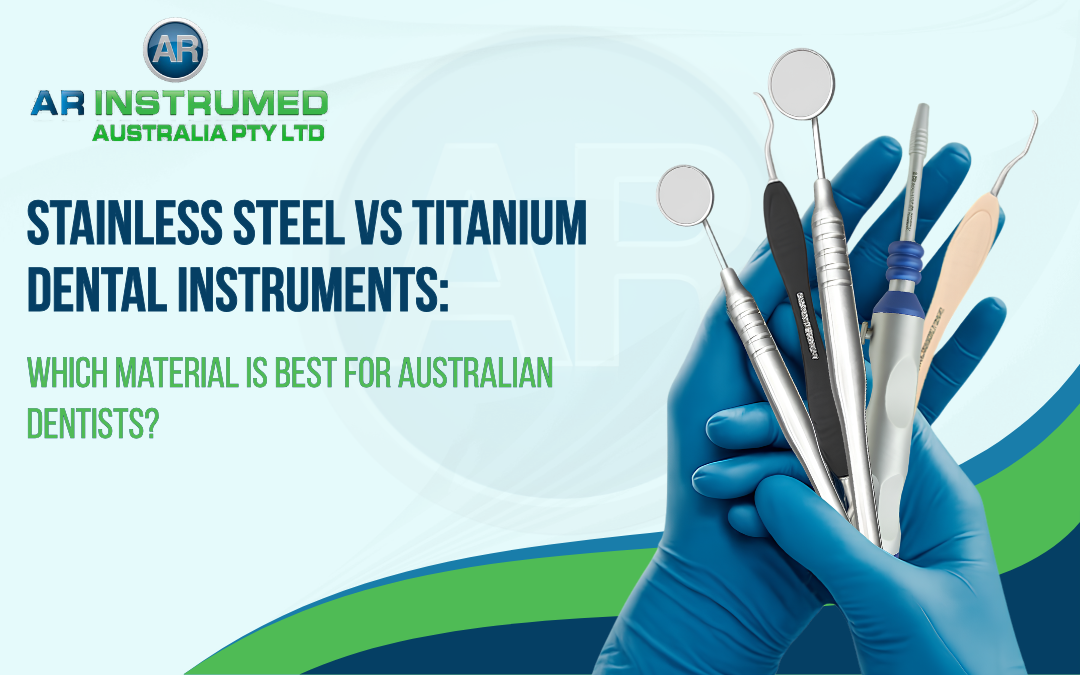
If you run a dental clinic in Australia, the instruments you choose affect far more than your budget. They influence sterilisation routines, staff comfort, patient safety and the lifespan of your entire instrument kit. The debate between stainless steel vs titanium dental instruments comes up constantly among practice owners upgrading their trays for 2026, and for good reason: both materials perform well, but they suit different clinical needs. This guide breaks down how titanium dental instruments and stainless steel dental instruments compare on weight, corrosion resistance, cost and durability, so you can decide which dental instrument material fits your practice, your patients and your budget.
Most dental surgical instruments, including forceps, elevators, scalers, mirrors and probes, are manufactured from either surgical-grade stainless steel or titanium alloy. Both materials are chosen because they can withstand repeated autoclaving, resist wear from daily clinical use and meet strict hygiene standards. Stainless steel has been the industry default for decades, while titanium dental instruments have become increasingly popular in Australian clinics that want lighter, corrosion resistant dental instruments for delicate or high-frequency procedures.
Stainless Steel Dental Instruments: Strengths and Limitations
Why Dentists Choose Stainless Steel
Stainless steel dental instruments remain a favourite for a simple reason: they work. This dental instrument material is strong, rigid and dependable for procedures that need firm pressure, such as extractions and heavy scaling. Stainless steel instruments are also more affordable to buy in bulk, which makes them practical for busy clinics that need multiple sterilised sets on hand at once. When properly cleaned and dried after every autoclave cycle, quality stainless steel holds its edge and resists corrosion for years.
Where Stainless Steel Falls Short
The main downside is weight. Stainless steel dental instruments are noticeably heavier than titanium, and for clinicians performing back-to-back procedures, that extra weight can contribute to hand and wrist fatigue over a long day. Stainless steel is also more prone to surface corrosion if sterilisation protocols slip, particularly in humid storage conditions found in parts of Australia.
Titanium Dental Instruments: Strengths and Limitations
Why Titanium Is Gaining Popularity
Titanium dental instruments are up to 45% lighter than their stainless steel equivalents, which noticeably reduces hand strain during long or intricate procedures. Titanium is also naturally corrosion resistant, non-magnetic and highly biocompatible, making it a preferred choice for implantology, microsurgery and any patient with metal sensitivities. Because titanium does not rust or pit the way lower-grade steel can, well-made titanium instruments often last longer in the sterilisation cycle, which is a strong argument for clinics investing in premium dental instruments for the long term.
Potential Drawbacks of Titanium
Titanium instruments typically cost more upfront than stainless steel, which can be a barrier for clinics on a tighter budget. Titanium is also slightly less rigid than hardened stainless steel, so for procedures that demand maximum leverage and force, some dentists still prefer steel elevators and forceps for that specific task.
Stainless Steel vs Titanium Dental Instruments: Head-to-Head Comparison
Here is a quick side-by-side comparison to help Australian dental teams weigh up both dental instrument materials before making a purchasing decision.
| Feature | Stainless Steel Dental Instruments | Titanium Dental Instruments |
|---|---|---|
| Weight | Heavier, more solid feel | Up to 45% lighter, less hand fatigue |
| Corrosion Resistance | Good, if sterilised and dried correctly | Excellent, highly resistant to rust |
| Biocompatibility | Standard, well tolerated | Superior, hypoallergenic and MRI safe |
| Durability | Very strong for heavy-duty extraction | Durable, though slightly less rigid under force |
| Cost | Budget-friendly, widely available | Higher upfront cost, longer lifespan |
| Best Suited For | General clinics, high-volume procedures | Microsurgery, implants, premium clinics |
Which Material Is Best for Australian Dental Clinics?
There is no single answer that suits every practice, and that is exactly why so many Australian dentists stock both. Titanium dental instruments make sense for implant work, paediatric dentistry and any procedure where a lighter, corrosion resistant dental instrument reduces fatigue and improves precision. Stainless steel dental instruments remain the practical choice for general dentistry, extractions and high-volume clinics that need multiple sets sterilised and ready between patients. Australia’s climate, combined with strict AS/NZS sterilisation standards, means corrosion resistance matters more here than in drier regions, which is one reason titanium vs stainless steel instruments is such a common conversation among clinic owners this year.
What to Look for When Buying Dental Instruments in Australia
- CE certified dental instruments manufactured to recognised international standards
- A supplier offering both titanium and stainless steel dental instruments Australia wide
- Autoclavable, corrosion resistant construction suited to Australian sterilisation protocols
- Ergonomic handles that reduce strain during long procedures
- Transparent wholesale and bulk pricing for growing dental clinics
Buying from a supplier who understands the day-to-day demands of Australian dental clinics, rather than a generic overseas reseller, makes it easier to get consistent quality across every order.
Why Australian Dentists Choose AR Instrumed
AR Instrumed (arinstrumed.com.au) supplies premium dental instruments Australia wide, including CE certified titanium and stainless steel dental surgical instruments for clinics, dental students and specialist practices. The range covers forceps, elevators, scalers, mirrors and probes, so whether your clinic needs affordable stainless steel dental instruments for everyday use or lightweight titanium instruments for precision procedures, AR Instrumed offers both without compromising on quality. Australian dentists looking to buy dental instruments online can browse the full catalogue directly at arinstrumed.com.au and order professional-grade instruments built for local sterilisation standards.
Frequently Asked Questions
1. Which is better, stainless steel or titanium dental instruments?
Neither material is universally better. Titanium dental instruments are lighter and more corrosion resistant, making them ideal for precision or implant work, while stainless steel dental instruments offer excellent strength and value for general, high-volume clinical use.
2. Are titanium dental instruments worth the extra cost?
For clinics performing frequent, detailed procedures, titanium’s lighter weight and longer corrosion resistance can reduce hand fatigue and replacement costs over time, which often justifies the higher upfront price.
3. Do stainless steel dental instruments rust?
Good quality surgical-grade stainless steel resists rust when it is properly dried and stored after each autoclave cycle. Corrosion usually only becomes an issue if sterilisation protocols are inconsistent.
4. Which dental instruments last longer, titanium or stainless steel?
Titanium instruments generally have a longer service life because they resist corrosion and metal fatigue better, though well-maintained stainless steel instruments can still last for many years of clinical use.
5. Where can I buy quality dental instruments in Australia?
Australian dentists can buy CE certified titanium and stainless steel dental instruments directly from AR Instrumed at arinstrumed.com.au, which supplies clinics and dental professionals across Australia.